Garden design and build in Surbiton
If you are looking for garden design and build in Surbiton, you are probably ready for more than a quick tidy-up. Many local homeowners and business owners want an outdoor space that feels practical, attractive, and easy to use throughout the year. Whether you have a compact town garden near Surbiton station, a wider family garden closer to Berrylands, or a commercial frontage that needs a smarter first impression, a well-planned outdoor space can make a real difference to how your property looks and works.
Surbiton has a mix of property styles, from Victorian and Edwardian homes to modern apartments, maisonettes, and newer developments. That variety is one reason a tailored approach matters. A garden that works beautifully for a long, narrow plot in a terrace will need a different layout from a larger suburban lawn or a courtyard used by a business. A local team understands these differences, along with the practical details that matter here, such as access, parking, shared side passages, neighbours, and the realities of working in busy residential streets.
Our garden design and build service is focused on creating outdoor spaces that are both visually appealing and genuinely useful. That can mean a complete transformation, a phased improvement plan, or a targeted project such as new paving, planting structure, timber features, raised beds, turfing, or improved drainage. The aim is to create a garden that suits your lifestyle, your property, and the way you want to use the space.
Why Surbiton homeowners and businesses choose a full design and build service
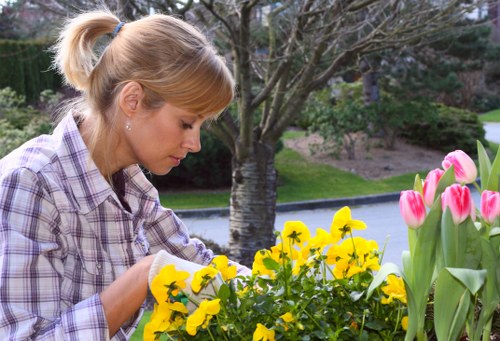
One of the biggest advantages of using a design and build approach is continuity. Instead of trying to coordinate a designer, landscaper, builder, and planting specialist separately, you can work with one local team that understands the project from the first conversation to the final handover. That usually means fewer delays, clearer decisions, and a finished result that feels consistent rather than pieced together.
In Surbiton, this joined-up approach is especially useful because many gardens have a few constraints that need thinking through early. Narrow access can affect how materials are brought in. Shared driveways or side returns can limit construction timing. Mature trees and boundary structures may shape the layout. Some homes have deep rear gardens that need zoning, while others have small outdoor areas where every metre counts. A good design responds to those realities instead of fighting them.
For commercial customers, the same principle applies. Offices, clinics, hospitality venues, and rental properties often need outdoor areas that look tidy, are easy to maintain, and present well in all seasons. A considered design can improve seating areas, soften hard edges, create privacy, or make a frontage more welcoming without demanding constant upkeep.
What a local team brings to the project
A local company working in Surbiton and nearby parts of southwest London is more likely to understand the rhythm of the area, the kind of houses people live in, and what customers usually want from their gardens. That practical knowledge helps with layout decisions, plant choices, access planning, and the sequencing of work. It also makes it easier to suggest options that suit the local setting, rather than offering a one-size-fits-all solution.
Local knowledge also helps with logistics. Materials need to be ordered, stored, and moved efficiently. Waste removal has to be planned carefully. If a project involves paving, decking, fencing, planting, lighting, or drainage work, the order of tasks matters. A well-organised team keeps disruption lower and helps the project run smoothly.
That matters if you are living at the property during the work. Many customers want a clear schedule, tidy site management, and a team that respects neighbours and shared spaces. A local service is often better placed to provide that level of practical consideration.
Garden design and build in Surbiton: what the service can include

Every garden project starts with a conversation about how you want the space to feel and function. Some people want a family-friendly garden that can handle play, dining, and low-maintenance planting. Others want a calm retreat with layered greenery, better screening, and a space for entertaining. Businesses may want a smart, low-maintenance exterior that supports the overall appearance of the property.
Depending on the brief, a garden design and build project in Surbiton may include a combination of the following:
- Site assessment and layout planning
- Garden design concepts and practical space planning
- Hard landscaping such as patios, paths, steps, and edging
- Decking, raised planters, and timber features
- Turfing, seeding, and lawn replacement
- Planting design, borders, screening, and seasonal structure
- Fencing, gates, trellis, and boundary improvements
- Drainage solutions for wet or uneven areas
- Outdoor lighting for safety and evening use
- Storage solutions and utility-area improvements
- Maintenance-friendly finishes for busy households or commercial sites
The right mix depends on the property, the available budget, and the way you intend to use the space. Some customers want a full transformation, while others want to improve the core elements first and add planting or decorative features later. Both approaches can work well if the plan is considered from the beginning.
Balancing style and practicality
A successful garden is more than a pretty layout. It needs to work in everyday life. That means thinking about where people walk, where water drains after rainfall, where storage is needed, and how much maintenance you want to take on. In Surbiton, where many households balance busy work schedules, family life, and commuting, low-maintenance but attractive design choices are often especially popular.
Good design should feel easy to live with. Paths should be logical, seating should feel comfortable, planting should suit the aspect and soil conditions, and materials should fit the style of the property. A thoughtful design helps the garden feel calm and usable rather than cluttered or awkward.
That is why the design stage matters so much. It gives you a chance to explore options, understand what will suit the site, and avoid costly changes later. It also helps make sure the finished build looks coherent from every angle, not just from one viewpoint.
How the process usually works

Customers often want to know what happens first, especially if they are considering a larger project. A clear process helps set expectations and makes it easier to move from ideas to action. While every project is different, a typical garden design and build process in Surbiton usually follows a series of practical steps.
The first step is usually an initial discussion about the property, your goals, and the current condition of the garden. This may include the size and shape of the space, how it is used now, problem areas, and any features you want to keep. It is also useful to discuss whether the garden needs to be family-friendly, pet-friendly, private, entertaining-focused, or more suitable for a business setting.
Next comes the design and planning stage. This is where the overall layout, materials, planting style, and key features are considered. Some customers prefer a modern look with clean lines and structured planting, while others want a softer, more traditional feel. In Surbiton, both styles can work well depending on the property and surrounding streetscape.
From plan to build
Once the plan is agreed, the build phase begins. This may involve clearing old features, preparing the ground, improving drainage, building new surfaces and structures, and then completing the soft landscaping and planting. A good build sequence matters because each element has to support the next. For example, patios and retaining structures must be installed before final planting and finishing touches.
Clear communication throughout the project is important. Customers should know what stage the work is at, what decisions are needed, and how the site is being managed. That helps reduce stress and makes the experience more straightforward.
At the end, the garden should be left ready to use, with a neat finish and practical advice on any aftercare needed. If planting has been included, it is helpful to know how to care for new plants in the first few weeks and months so that everything establishes well.
What makes a project run well
Projects tend to run smoothly when the layout is clear, the materials are suitable, and the access plan has been thought through in advance. In areas like Surbiton, where parking can be tight and front access may be limited, this preparation is especially valuable. It allows work to be organised properly and helps avoid unnecessary disruption.
Common garden styles in Surbiton

Surbiton gardens are varied, and local customers often ask for designs that match the character of their home while still feeling modern and easy to care for. Because the area includes everything from period houses to contemporary flats, the best solution is rarely the same twice.
Some of the most requested styles include:
- Contemporary family gardens with durable paving, lawn space, and simple planting
- Traditional gardens with layered borders, curved paths, and classic materials
- Small courtyard gardens designed to maximise privacy and usable space
- Entertaining spaces with dining areas, seating zones, and lighting
- Low-maintenance gardens for busy households and rental properties
- Elegant frontage improvements that enhance the first impression of a property
Many gardens in the area benefit from a mix of hard landscaping and planting rather than relying on one or the other. For example, a patio can provide a practical base for outdoor furniture, while structured planting softens the edges and adds seasonal interest. A lawn can suit family life, but it may need to be balanced with robust paths and a sensible drainage strategy.
Designing for smaller gardens and awkward plots
Not every garden has plenty of room to work with, and that is where a well-planned layout really earns its place. Smaller gardens often need crisp zoning, multi-use surfaces, and planting that gives height without overcrowding the space. Narrow gardens may benefit from uninterrupted lines, carefully placed screening, and materials that help the plot feel longer or wider.
Awkward shapes can still become attractive spaces. With the right layout, even a challenging plot can feel balanced and usable. This can be particularly useful in Surbiton, where some gardens sit behind terraced homes, split-level plots, or properties with side-return constraints.
For larger gardens, the challenge may be different. Bigger spaces often need structure so they do not feel empty or underused. In those cases, zones for dining, relaxing, planting, lawn, and storage can help the garden feel more intentional and easier to maintain.
Materials, planting, and finishes that suit local properties

The materials you choose can completely change how a garden feels. In Surbiton, many customers want a look that feels timeless and practical, with finishes that suit both the home and the surrounding area. The best choices usually combine durability, visual appeal, and day-to-day usability.
For hard landscaping, popular options may include natural stone, porcelain paving, brick edging, gravel, timber, composite decking, and attractive retaining materials. Each has its own strengths. Porcelain, for example, can suit a crisp contemporary look and is easy to keep clean. Natural stone can bring warmth and character. Gravel can work well for pathways, planting areas, or lighter-touch finishes. Timber and composite elements can help define spaces and create seating or raised structure.
Planting is just as important. A good planting plan gives colour, texture, privacy, and seasonal variation. It can also make the garden feel more connected to the house. In many Surbiton properties, customers want planting that looks good without requiring constant maintenance. That usually means choosing species that suit the soil, light levels, and amount of care the owner is comfortable giving.
Planting for year-round appeal
A well-balanced border can keep the garden looking interesting across the seasons. That might include evergreen structure, spring flowers, summer colour, autumn texture, and winter stems or architectural planting. The right mix means the garden does not look flat outside peak growing season.
Good planting also supports privacy. If neighbouring homes overlook the garden, hedging, layered shrubs, climbers, or carefully placed trees can help create a more secluded feel. This is often a key request in suburban areas where outdoor living is more enjoyable when the garden feels sheltered.
Finishing touches also matter. Lighting can make paths safer and seating areas more usable after dark. Edging can make borders look sharper. Small details such as stepping stones, screening panels, or a dedicated storage corner can improve the whole garden experience.
Practical considerations for Surbiton properties
One of the reasons local customers search specifically for Garden design and build in Surbiton is that the area has some very practical site challenges. These are not problems, but they do need planning. Working with a local team makes it easier to account for them from the start rather than dealing with surprises halfway through a project.
Access is often a major factor. Some properties have side access that is narrow or shared. Others rely on front loading, which can affect material delivery and waste removal. In residential streets, parking may also be limited, so efficient scheduling matters. A team that is used to working locally will typically plan these details early to keep the project moving.
Drainage is another common issue. Older gardens may hold water after heavy rain, especially if the ground has become compacted or there are low points near the house. A new design can address this through careful levels, suitable sub-base preparation, drainage features, and material choices that help water move away properly.
Choosing a layout that fits everyday life
Many families in Surbiton want gardens that can handle more than one purpose. A practical layout might include a dining area near the house, a lawn for children or pets, planting for privacy, and a lower-maintenance rear section that does not need constant attention. That type of design allows the garden to work through different stages of life without feeling outdated too quickly.
For commercial customers, layout needs can be slightly different. A business frontage or outdoor area may need clear circulation, durable surfaces, a neat appearance, and simple maintenance requirements. The aim is usually to create a tidy and inviting external space that reflects well on the property without creating extra work for staff or management.
In both cases, a thoughtful plan saves time later. It reduces guesswork, avoids awkward compromises, and produces a garden that is easier to live with or manage.
What is included in a typical project
Customers often ask what they should expect from a full garden design and build service. The answer depends on the scope of work, but many projects include a combination of the following stages and elements.
Typical inclusions
- Initial consultation and site review
- Discussion of style, use, and budget priorities
- Layout planning and feature placement
- Ground preparation and removal of unwanted materials
- Construction of patios, paths, or decking
- Installation of fences, screens, or retaining features
- Soil improvement, turfing, or seeding
- Planting beds, shrubs, trees, and climbers
- Lighting or utility area enhancements where required
- Final tidy-up and care advice
Some customers also want the project phased. That can be sensible if you would like to spread the work across stages, for example by completing the hard landscaping first and adding planting, lighting, or feature areas later. A staged approach still benefits from a single overall plan so that each phase fits the wider design.
It is also worth asking about maintenance options after the build. Even a low-maintenance garden benefits from occasional care, especially in the first year while plants establish and surfaces settle. Having a sensible aftercare plan can protect your investment and keep the space looking its best.
Questions to think about before you book
Before requesting a quote, it helps to be clear on a few basics. You do not need every detail decided, but a bit of preparation makes the process faster and more useful.
- How do you want the garden to be used most often?
- Which features matter most: patio, lawn, planting, privacy, lighting, storage?
- Do you want a full redesign or improvement of one section?
- How much maintenance are you comfortable with?
- Are there access issues, parking limits, or shared boundaries to note?
Pricing factors and what affects the quote
Many people want to understand what influences the cost of a garden design and build project before they enquire. While exact prices cannot be given without seeing the site and understanding the brief, there are several common factors that shape the quote.
The main factors usually include:
- The size and complexity of the garden
- Ground conditions and the amount of preparation needed
- Access for labour, tools, and materials
- The types of materials chosen for paving, decking, or edging
- How much planting, turfing, or tree work is included
- Whether drainage, lighting, or structural work is needed
- The number of features to be built and the level of finish required
It is often tempting to compare projects only by size, but that can be misleading. Two gardens of similar dimensions can differ a great deal if one has poor drainage, restricted access, extensive removal work, or more complex construction. That is why a site visit and clear discussion of goals are so important.
If you are planning a project, it is usually sensible to decide what matters most to you: durability, appearance, low maintenance, flexibility, or a specific style. That helps the team suggest a solution that matches your priorities rather than overspecifying or underdelivering on the things that matter to you.
How to get the best value from the project
Good value does not always mean choosing the cheapest option. It often means choosing the solution that suits the site properly and will hold up well over time. For example, investing in sensible ground preparation and drainage can protect paving and planting later. Choosing materials that are appropriate for the amount of use can also reduce future maintenance.
A well-planned garden can save time and hassle for years. That is one of the main reasons customers choose a professional design and build service rather than trying to patch together improvements over time without an overall plan.
Areas covered around Surbiton
Local work in and around Surbiton can include nearby neighbourhoods and surrounding parts of southwest London and North Surrey, depending on the project. Many customers looking for garden design and build support are based in nearby residential areas or manage properties in local commercial locations.
Typical areas covered may include:
- Surbiton town centre
- Berrylands
- Long Ditton
- Thames Ditton
- Kingston upon Thames
- Tolworth
- New Malden
- Esher and nearby surrounding locations
Working locally means the team is more likely to understand street access, property types, and common garden layouts in the area. It also helps when planning visits, deliveries, and the practical phases of work. For many customers, that local familiarity adds reassurance that the project will be handled with care.
Residential and commercial customers
Residential gardens often need a balance of privacy, usability, and style. Commercial spaces may prioritise durability, presentation, and ease of upkeep. In both cases, the aim is to create a space that suits the user and the setting. A good design should make the most of the available area while remaining practical over the long term.
That flexibility is one reason professional garden design and build services are so useful locally. The service can be adapted to different property types without losing the quality of the finished result.
Preparation checklist before work begins
If you are planning a garden project, a little preparation can help everything start smoothly. You do not need to complete the heavy lifting yourself, but it is useful to have a few things ready before the team arrives.
Helpful preparation steps
- Clear away personal items, planters, furniture, and loose garden equipment where possible
- Identify any plants, features, or materials you want to keep
- Make a note of access routes, locked gates, or shared pathways
- Let the team know about parking limits or delivery concerns
- Flag any drainage problems, uneven ground, or boundary issues you have noticed
- Think about how you will use the garden during and after the project
If the work involves larger removals or significant changes to the layout, it can also help to take a few photos of the space in its current condition. This makes it easier to talk through ideas and compare options during the design stage.
Above all, keep the conversation focused on how you want the finished garden to work. The clearer that picture is, the easier it becomes to design a space that feels genuinely suited to your life.
Frequently asked questions
Below are some common questions from local customers who are considering Garden design and build in Surbiton.
Do I need a full design before any building starts?
Not always, but a clear plan is strongly recommended. Even if your project is relatively simple, a design discussion helps avoid expensive changes and makes sure the finished garden feels cohesive.
Can smaller gardens still benefit from professional design?
Yes. Smaller gardens often benefit the most because every metre has to work hard. A professional layout can help create storage, seating, planting, and movement without the space feeling cramped.
What if my garden has drainage issues?
Drainage problems are common and can often be improved as part of the project. The solution may involve ground preparation, changes in levels, suitable materials, or drainage features that help water move away more effectively.
Can the work be done in stages?
Yes. Many customers prefer to phase the project over time. A good plan makes that easier because each stage can be designed to work with the final picture in mind.
Is garden design only for large projects?
No. Design is useful for projects of all sizes, from small courtyard improvements to full garden transformations. The key is making the most of the available space and ensuring the finished result suits how you will use it.
Do you work on both homes and businesses?
Yes, many local teams handle both residential and commercial outdoor spaces. The approach may change depending on the property, but the aim remains the same: a practical, attractive, and durable finish.
How do I know what materials to choose?
A good starting point is to think about appearance, maintenance, and how much use the area will get. A local design and build team can help narrow down the best options for your budget and style preferences.
If you are ready to improve your outdoor space, now is the right time to begin the conversation. Contact us today, request a free quote, or book your service now to discuss your garden and what you want it to become.
Why choose a local Surbiton company for your garden project
Choosing a local company for garden design and build in Surbiton gives you more than convenience. It can improve communication, planning, and the overall fit of the project. Local teams usually understand the pace of the area, the kinds of homes they are likely to work on, and the practical realities of working in neighbourhoods with mixed access and parking conditions.
Local service also means better responsiveness. It is easier to arrange site visits, discuss details, and keep the project moving when the team works regularly in the area. That can be especially helpful if you want a smooth process and a garden that feels carefully considered rather than rushed.
Perhaps most importantly, local customers often want a service that feels personal and grounded in real practical experience. Garden work is not just about building surfaces or putting in plants. It is about shaping a space that suits the property, the people using it, and the local environment around it.
Ready to start your garden transformation?
If your outdoor space is not giving you the function, style, or comfort you want, a professionally planned project could be the answer. Whether you need a full redesign, a smart rebuild, or a phased improvement plan, a local garden design and build service can help turn ideas into a finished space you will actually use.
Contact us today to discuss your project, request a free quote, or book your service now and take the first step toward a better garden in Surbiton.